
GOAT – Sneakers & Apparel
GOATShopping
3.79.57K Reviews
- Version
- 2.13.0
- Installs
- 10.00M
- Age Rating
- Teen
Screenshots
Our Review of GOAT – Sneakers & Apparel
 Analysis by Appyee
I tried GOAT as a shopping app with a fairly specific purpose: finding sneakers and designer clothing that are harder to locate through ordinary retail apps. My first impression was that it feels less like a general department store and more like a focused marketplace for people who already know the silhouettes, collaborations, and labels they want to explore. That focus is its biggest attraction, but it also determines whether the app will earn a permanent place on your phone or simply provide an enjoyable browse once in a while.
GOAT is free to download, belongs to the shopping category, and is developed by GOAT. It has been available since August 10, 2015, and the current version is 2.13.0 for devices running operating system 10 or later. The app is rated for Teen users. Its average rating is 3.7 from around 37 thousand ratings, while the app has passed 10 million installs. Those figures suggest a large audience, but they do not remove the need to decide whether its buying style suits your habits.
From exciting discovery to a useful shopping routine
I’m looking at how the app’s focused catalog can be approached in a calm, manageable way, especially when a search involves comparing several similar sneakers or apparel options. I find it helps to decide what details matter before browsing, so visual variety supports a choice rather than making it harder to settle on one.
Why the first week feels so engaging
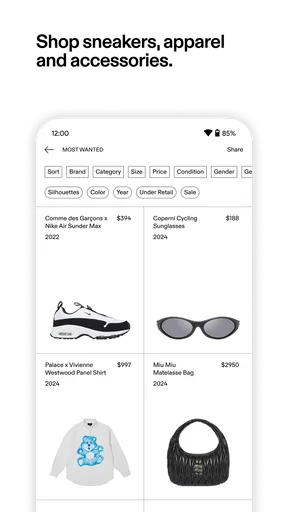
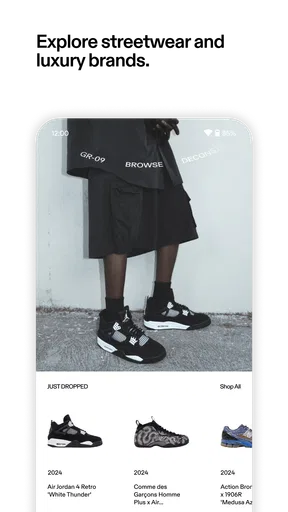
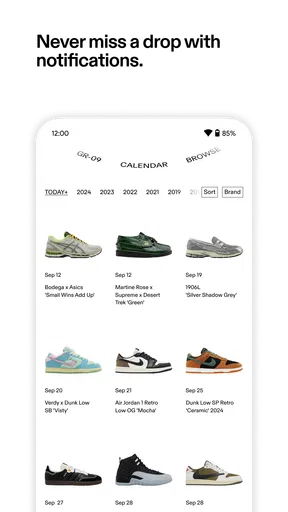
The strongest part of the first week is discovery. Instead of opening to a broad mix of unrelated products, I found myself looking through a catalog shaped around sneakers, apparel, and designer brands from different periods. That makes browsing feel purposeful. If you enjoy comparing colorways, revisiting older releases, or checking how a familiar model looks in another material, the app gives you plenty of reasons to keep exploring.
I also like that the experience works for two very different shopping moods. You can arrive with a precise target, such as a particular sneaker style, or you can browse visually until something catches your attention. The first approach is efficient when you already understand what you want. The second is more entertaining, although it can quickly turn into an expensive-looking wish list if you are not careful.
My practical advice during the first session is to separate research from buying. Use the app to compare designs, condition information, and available choices before treating the checkout screen as the natural next step. That small habit matters because limited or desirable items can create pressure to decide quickly. I found the app more useful when I used it as a place to narrow down options rather than as an endless impulse-shopping feed.
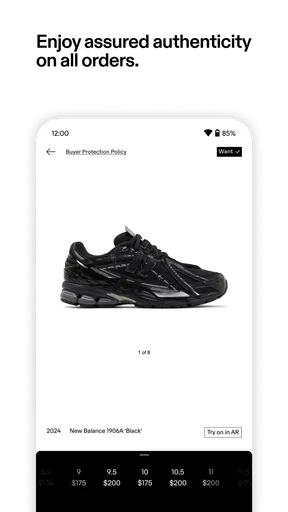
The app is especially appealing to someone who cares about authenticity and wants a marketplace centered on that concern. It is also a natural fit for collectors, sneaker fans, and shoppers who have already exhausted the usual brand stores. On the other hand, if you simply need inexpensive everyday shoes, a nearby retailer or a general shopping app will probably be faster and less distracting.
What makes it different from ordinary shopping apps
Compared with a conventional retailer, GOAT feels more valuable when the item itself is the reason for the purchase. A normal store is usually better for predictable stock, straightforward sizing, and routine replacements. GOAT becomes more interesting when you are searching for a particular release, an older design, or a brand combination that is unlikely to appear in a standard seasonal catalog.
That difference changes how I judge the app. I do not open it expecting the same simple trip I would make for socks or basic trainers. I open it when the search deserves more attention. This makes the app less universally useful than a broad marketplace, but more rewarding for a narrow and enthusiastic audience.
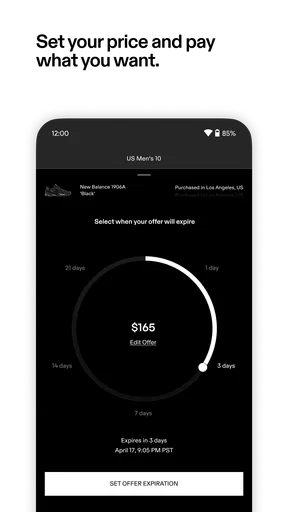
A useful workflow is to begin with a clear ceiling for what you are willing to spend, then inspect the item carefully before moving forward. I would also compare the same model elsewhere when possible, not because GOAT lacks value, but because the convenience of a specialized marketplace can make a higher total cost feel justified before you have considered alternatives. The app is at its best when it helps you find something genuinely difficult to source, not when it replaces every other way of shopping.
How I would use it in an everyday situation
Imagine needing a pair for a weekend event but wanting something more distinctive than a current high-street release. I would search GOAT early, shortlist a few shapes that work with the outfit, and then check the available choices with enough time to make a calm decision. I would not wait until the day before. A specialized marketplace is more useful when you allow time for comparison and delivery planning than when you treat it like an instant local pickup service.
For a collector, the same process can become a monthly check-in: look for a specific model, review alternatives, and leave without buying if the condition or cost is not right. That is an important strength. The app can support deliberate searching rather than requiring a purchase every time you open it. Its long-term value depends on whether you can maintain that discipline.
Whether it remains worthwhile after the novelty fades
For me, long-term usefulness also depends on whether the app can fit around different routines and shopping needs, rather than demanding constant attention. I’ll weigh that against its specialized appeal and the points where a more conventional retailer may feel easier.
The month-to-month value depends on your shopping pattern
After the initial excitement, GOAT becomes less about constant entertainment and more about whether you have recurring reasons to return. For me, its value is strongest when I have a defined search: replacing a worn pair with a particular style, checking an older release, or looking for a designer item that is not easy to find through ordinary channels. Without one of those goals, browsing can start to feel repetitive.
This is not necessarily a weakness. A focused app does not need to be opened every day to be useful. I would rather keep a specialist marketplace for occasional, meaningful searches than use a general retailer that makes every product look interchangeable. The question is whether your wardrobe and interests generate enough of those searches to justify keeping it installed.
One of the more useful long-term habits is to keep a small personal record of what you are actually seeking. Note the model, preferred color, acceptable condition, and maximum budget outside the app, then use GOAT to check whether a suitable option appears. This prevents the catalog from setting your priorities for you. It also makes the app feel more like a research tool and less like a stream of temptations.
There is a trade-off between breadth and efficiency. A large selection can help when your target is unusual, but it also means more time spent comparing near-identical options. I found that returning with a narrow search intention made the experience much better. Returning simply to browse was enjoyable at first, yet it offered less practical value once the novelty had worn off.
Who gets the most from keeping it installed
I would recommend keeping GOAT on your phone if you regularly buy sneakers as part of a collection, follow designer labels, or care about finding older and current styles in one specialized environment. It is also useful for people who prefer researching an item carefully before committing, because the app encourages you to think about the exact product rather than settling for the first available substitute.
I would be more cautious if your priorities are the lowest possible price, immediate availability, or simple returns through a familiar local retailer. Those shoppers may find the app too specialized. It is not the obvious choice for a family buying several ordinary pairs at once, nor for someone who dislikes spending time comparing listings and making decisions around a particular release.
The Teen rating is worth keeping in mind for households where younger users may browse independently. A shopping app built around desirable fashion can make products feel urgent and collectible. I would encourage younger shoppers to discuss spending limits and purchase decisions with an adult rather than treating the app as a casual game-like browsing experience.
The maintenance burden is mostly behavioral
GOAT does not demand much technical maintenance from me, but it does require shopping maintenance. To get lasting value, I need to keep my searches organized, avoid opening the app without a purpose, and revisit my budget before buying. That may sound obvious, yet it is particularly important in a catalog where rare-looking or highly desirable products can dominate attention.
I also recommend checking the product details every time instead of relying on memory from a previous visit. A model that looks familiar may differ in color, material, condition, or sizing context. Treat each listing as a fresh decision. This is one of the most useful ways to reduce disappointment, especially when you are buying for an event or choosing a gift.
Another good habit is to decide whether you are buying for wear, collecting, or resale before you search. Those goals lead to different standards. A daily pair may need versatility and comfort above all else. A collector may prioritize a specific version or presentation. Someone thinking about future value should be especially careful not to confuse popularity with a guaranteed outcome. GOAT can help you inspect choices, but it cannot make a subjective purchase automatically sensible.
The app is free, but the product decisions made inside it are not consequence-free. I would treat the free download as an invitation to research, not as evidence that every interesting item represents good value. Setting a budget away from the excitement of the listing is a simple maintenance step that keeps the app useful over time.
Where fatigue begins
The first source of fatigue is repetition. If you follow only a small number of models, repeated browsing may show you variations that are technically different but not meaningfully different for your wardrobe. After a while, the act of checking can replace the act of deciding. That is when I would close the app and return only when I have a concrete reason.
The second is comparison overload. A specialized catalog is helpful when the market is difficult to navigate, but it can also make a simple purchase feel like a research project. I sometimes found myself comparing details long after I had identified an option that met my needs. A time limit helps: shortlist a few candidates, verify the important details, and stop searching when the differences no longer matter.
The third is emotional pressure. Scarcity, collectability, and brand recognition can make a purchase feel more urgent than it really is. I would never use the app while tired, rushed, or trying to improve my mood through shopping. Saving the item, writing down the reason for wanting it, and returning later is a better test of whether it belongs in your wardrobe.
There is also a practical limitation for shoppers who need a completely predictable retail experience. A general store may offer a simpler path from search to checkout because its inventory and product presentation are designed for routine purchases. GOAT is more compelling when the search itself matters. If you do not enjoy that process, the app can feel like extra work rather than extra choice.
My long-term verdict
GOAT earns lasting space on my phone, but only as a specialist tool rather than a universal shopping replacement. I return to it when I want to investigate sneakers or designer apparel that deserves more attention than a standard retail purchase. Its focused catalog and collector-friendly atmosphere give it a clear identity, and the free access makes occasional research easy.
What keeps it useful is not the novelty of scrolling. It is the ability to return with a specific goal, compare carefully, and wait for an option that genuinely fits. That recurring value is real for sneaker enthusiasts and fashion shoppers who regularly look beyond current mainstream stock. It is much weaker for people who buy only basic footwear, require immediate certainty, or measure every purchase primarily by the lowest price.
My recommendation is to install it if you already have a clear interest in sneakers and designer brands, then build a few rules around your use: search with a purpose, check details each time, compare the total decision with ordinary retailers, and set your budget before the catalog starts influencing you. Those habits reduce the app’s main sources of fatigue without taking away its best quality, which is making a difficult-to-find item feel easier to investigate.
In short, I see GOAT as a worthwhile long-term companion for a particular kind of shopper. It is not the app I would choose for every clothing purchase, and I would not keep opening it just to fill spare minutes. But when I want a focused search for a distinctive pair or designer piece, it gives me a more relevant starting point than a general marketplace. Its lasting value comes from intentional browsing, not endless browsing.
Verdict
Strengths of GOAT – Sneakers & Apparel
- Wide selection of rare, collectible, and everyday sneaker releases.
- Authentication process helps reduce the risk of receiving counterfeit products.
- App includes sneakers, clothing, accessories, and luxury fashion items.
- Detailed product photos and condition notes support informed buying decisions.
- Worldwide marketplace offers access to styles unavailable in local stores.
Limitations of GOAT – Sneakers & Apparel
- Prices can rise significantly because of resale demand and seller markups.
- Shipping, service, and import fees may make the final cost unexpectedly high.
- Delivery times vary depending on authentication and the seller’s location.
- Returns may be limited or subject to specific item and seller conditions.
- Popular sizes and limited releases often sell out extremely quickly.
Similar Picks in This Category
View All
SHEIN-Shopping Online
Roadget Business PTE. LTD.4.8

Amazon Shopping
Amazon Mobile LLC4.4


Mercado Libre: Compras online
Mercado Libre4.8

Wish: Shop and Save
Wish US Holdings LLC4.7

Alibaba.com - B2B marketplace
Alibaba Mobile4.4
Frequently Asked Questions
What is GOAT – Sneakers & Apparel?
GOAT is a shopping app focused on sneakers, streetwear, clothing, and accessories. It offers products from popular brands, including both current releases and harder-to-find items. The app is especially known for its marketplace model, where many products are sourced from sellers and may be inspected before being shipped to the buyer. Availability, pricing, and delivery options can vary depending on the item and destination.
Are the sneakers and apparel sold on GOAT authentic?
GOAT uses an authentication process for many products sold through its marketplace. Eligible items are generally sent to an authentication facility for inspection before reaching the customer, helping reduce the risk of counterfeit goods. However, authentication coverage can depend on the product, seller, and order type, so it is important to review the listing details and purchase conditions before completing an order.
How does ordering and shipping work in the GOAT app?
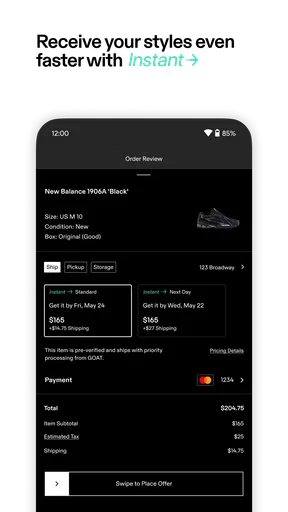
After selecting an item, you can usually choose an available size and proceed through checkout with your shipping and payment information. For marketplace products, the seller may first send the item to GOAT for verification, which can add processing time. Delivery estimates, shipping fees, customs charges, and available carriers depend on your location, the product, and the selected shipping method.
Can I return an item purchased through GOAT?
GOAT’s return policy depends on the product category, condition, order type, and the country where the purchase was made. Some eligible items may be returned within the stated return period, while final-sale, used, customized, or certain special-release products may not qualify. Before buying, carefully check the listing and checkout terms, because refunds may be issued as GOAT credit rather than to the original payment method.
Is GOAT – Sneakers & Apparel safe to use for payments and personal information?
GOAT is a well-known marketplace app that requires account, shipping, and payment details to process orders. As with any shopping platform, users should download the official app, use a strong unique password, and avoid sharing login or verification information. Review the total cost before paying, including shipping and possible taxes, and contact official GOAT support if an order or account activity appears unusual.
